The offshore red snapper fishery is a highly mapped, target-rich environment paved with public, state-funded reefs and predictable patterns that allow any newcomer with a GPS, sonar, and sufficient gear to show up and catch fish
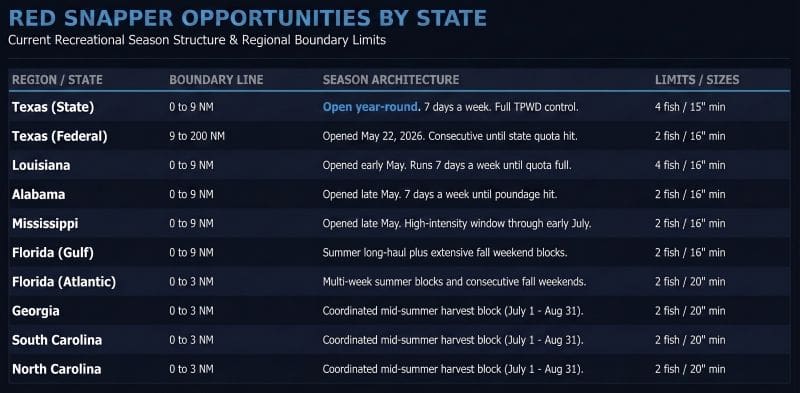
The current state of the Gulf red snapper fishery is arguably the greatest conservation comeback story in modern marine management. What was once a restricted, heavily policed sprint of a season has evolved into an absolute powerhouse of an industry, driven by a massive, thriving population of fish and a fundamental shift toward state-level management. Under the current setup, NOAA Fisheries sets the overall baseline quotas, but individual coastal states hold the keys to managing their own private recreational allocations. This decentralized approach has loosened the structural chokehold on the angler, providing extended calendar windows, tailored bag limits, and unprecedented access. While the overarching rules of engagement are universal, the management is highly localized. Meaning, every angler must know the specific laws and frameworks governing their home state.
Proof on the Water: Last Weekend’s Run
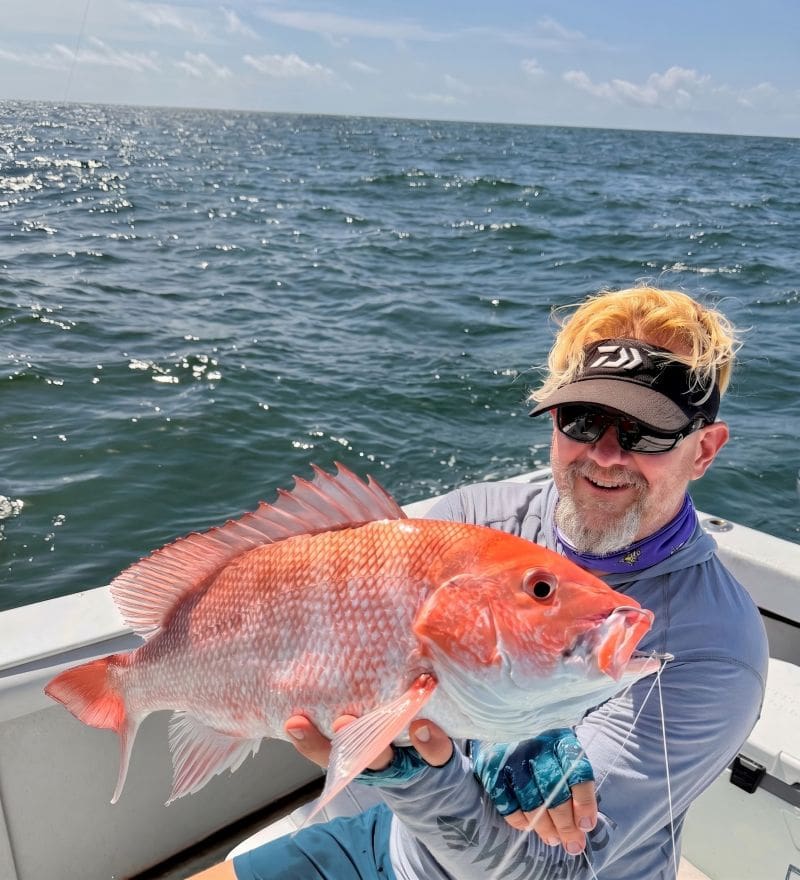
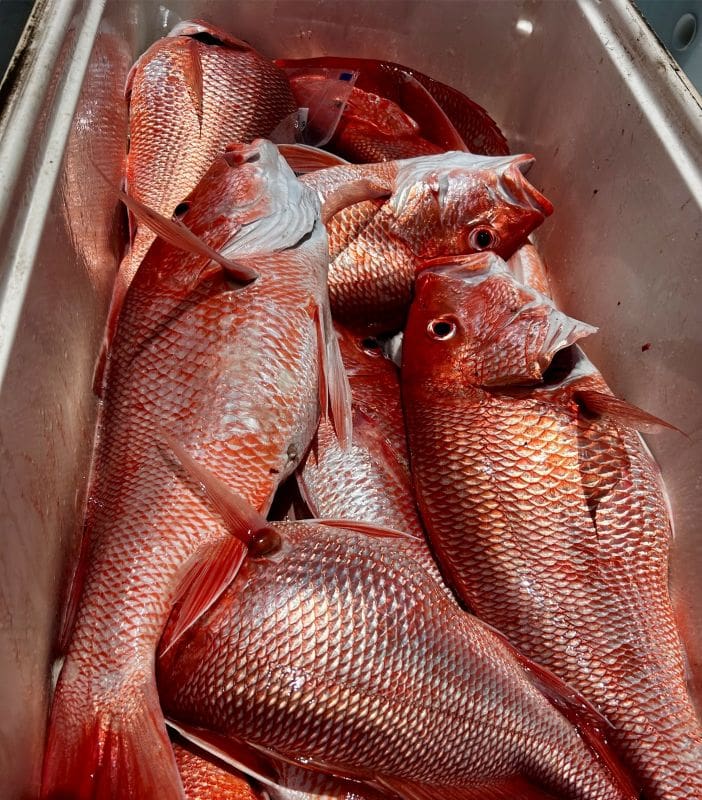
If you need verification that this fishery is absolutely cranking right now, look no further than this past weekend. I received a random text invite to head offshore to sample the action firsthand, which catalyzed an instant clearing my dance card. The forecast called for a steady two-to-three-foot chop – just enough bounce to leave a virtually vacant boat landing, and as we’d later find, eliminate any gridlock over known spots. My bro running the boat had a deep rolodex of coordinates, including community spots, queued up on the electronics and was fully prepared to play a game of hopscotch across the digital network. As it turned out, however, we didn’t need any secondar coordinates. We tapped the brakes on the first mapped structure, the sonar lost its mind, and we had our first double within minutes.
Demystifying the Ocean Floor: The Confidence Blueprint
To give someone new to red snapper fishing absolute confidence, you must dispel the myth that finding fish is a game of blind luck. Beginners often assume you need a secret, handwritten map passed down through generations to find success. In reality, red snapper are predictable creatures hardwired to stick to structure, whether it’s a sunken shrimp boat, state-sponsored artificial structure, oil or natural gas platform, or a natural limestone ledge. Showing a virgin a shaded-relief map on a GPS unit or a state artificial reef blueprint instantly changes their mindset. When they see a 3D visualization of a wreck, the ocean floor stops looking like the Sahara and starts looking like a must-play video game. The next boost of confidence comes from proving that the data is firmly on their side. Millions of dollars are spent by state and federal agencies to build and manage massive reef complexes specifically to ensure there are plenty of fish to go around. These productive areas are entirely public information, too. By tapping into public state reefing programs, a beginner can look at exact coordinates and know precisely what material is sitting on the bottom before they ever leave the dock. Realizing that they don’t need a closely guarded secret spot to catch a limit removes the intimidation factor. It is entirely possible to just show up and catch fish with just a baseline degree of due diligence.
Tapping into Public Blueprints
Locating these snapper-ish environments comes down to referencing two primary public databases:
State-Sponsored Artificial Reefs: Coastal states actively build and manage reef systems to create marine habitats, and they want the public to use them. Agencies like the Texas Parks and Wildlife Department (TPWD), for example, publish massive ledgers and interactive maps online. Anglers can look up a specific reef site and see exactly what was dropped there—such as a 150-foot decommissioned cargo ship, concrete reef pyramids, or retired oil rig jackets, along with the deployment date and exact latitude/longitude coordinates.
Energy Platforms and Infrastructure Maps: For active and decommissioned oil and gas rigs—major hubs for red snapper activity—the federal government logs every standing jacket. The Bureau of Ocean Energy Management (BOEM) maps platform and pipeline locations across the Gulf of America.
The Catch: Public vs. Productive
While the coordinates are public, there is a big difference between finding a reef on a map and successfully fishing it. Because these numbers are public, high-profile public reefs and wrecks see their share of pressure, especially on dead calm weekends. Savvy anglers use the public coordinates as a starting point. They will idle around the perimeter of a public reef zone to find isolated debris, small break-away rock piles, or current seams that the average guy skips over. So, while you don’t need a treasure map to find the general locations of these wrecks and reefs, you still need good sonar work to catch the fish holding on them.
Locking In Your Red Snapper Arsenal
Having the right coordinates gets you to the playground, but having the right gear on the deck is what puts meat in the box. You cannot afford a weak link in the system when dealing with powerful fish and sometimes jagged bottoms. Whether you prefer the steady winch of a conventional live-bait setup or the athletic connection of a spinning jig outfit, your gear needs to be rugged, responsive, and built to take a beating.
Here is the exact equipment blueprint to handle everything from suspended schooling fish to bottom-dwelling brutes.
The Live-Bait Setup: Heavy Bottom-Winch Duty
You don’t need a livewell full of exotic baits, as red snapper aren’t generally choosy eaters. They’ll inhale frozen sardines and squid, which are inexpensive and readily available at any coastal bait shop. In fact, frozen dead bait is all we used to line the ice chest on our recent trip.
But no matter what you put on the hook, the battle is won or lost in the first twenty feet. So, you need a setup that aligns maximum cranking power with absolute line control.
The Reel: DAIWA SALTIST LW (40 size) — This rigid aluminum powerhouse is a bottom-fishing statesman. The 40 size provides a critical 20-pound drag ceiling to bulldog big snapper away from structure, while the integrated levelwind mechanism automatically packs your line evenly across the spool, letting you focus entirely on cranking under pressure.
The Rod: DAIWA SALTIST Boat Rod (SLTST761MHB) — A 7’6″ medium-heavy conventional stick provides the ideal blend of a forgiving tip and massive lifting backbone. The extra length gives you excellent clearance around outboard motors and hull sides when a big fish tries to dig under the boat, while the composite blank absorbs violent head shakes without pulling hooks. The Mainline: DAIWA J-BRAID x8 Grand metered multicolor (40 lb.) — This is your secret weapon for efficiency, as the line changes color every 10 meters (33 feet). When the captain marks a massive school of snapper suspended 60 feet down, you don’t waste time guessing. You simply count the color transitions on the drop to place your bait directly into the fray every single time.
The Jigging Setup: High-Speed Athletics
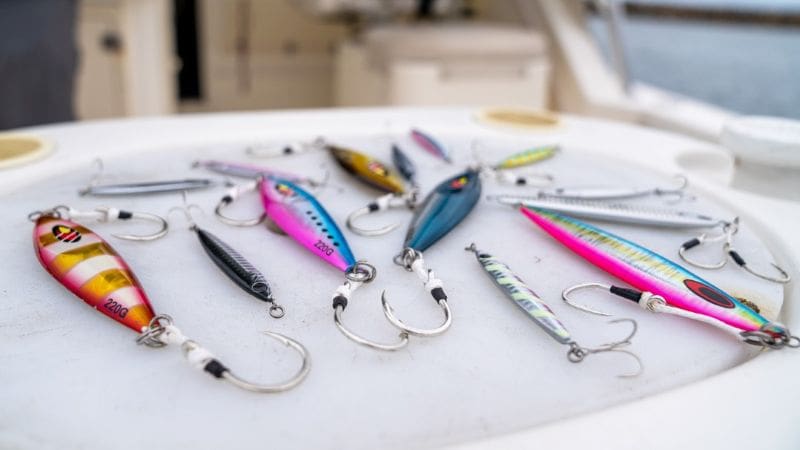
If you want to feel the raw, electric thump of a red snapper hitting a moving target on the drop or lift, vertical jigging with a heavy-duty spinning outfit is unmatched.
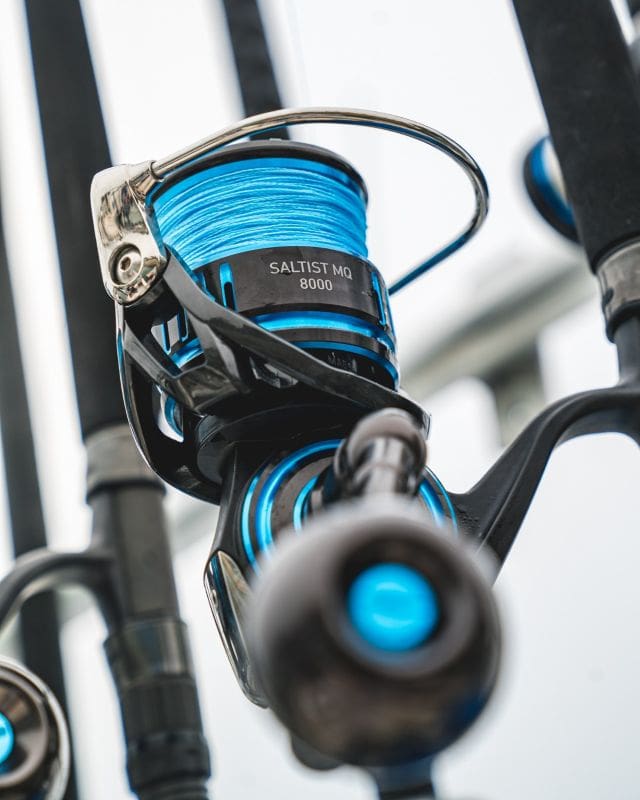
The Reel: DAIWA SALTIST 8000 — A brawny, saltwater-sealed spinning reel built to take the relentless punishment of high-speed retrieves and heavy metal jigs. Its features a massive line capacity and ironclad drag system that’ll slam the brakes on runaway freight train fish.
The Rod: DAIWA OUTRAGE Jigging Rod — Built on a short, highly responsive, parabolic blank, this dedicated jigging stick maximizes your leverage. It moves the pivot point closer to your hands, reducing back strain during a long day of vertical jigging while effortlessly giving your metal jigs an erratic, swimming action.
The Mainline: DAIWA J-BRAID x8 Grand metered multicolor (30–40 lb.) — Just like the bait setup, the metered transitions are invaluable here. High-speed vertical jigs often get crushed by snapper suspended way above the actual wreck. Tracking your color changes lets you work the exact slice of the water column where active predators prowl.
The Suggested Live-Bait Rig: Simple, Heavy, Effective
Do not overcomplicate your terminal tackle. A standard, heavy-duty Carolina rig (slip-sinker rig) is the gold standard for presenting bait naturally while maintaining direct contact with the bottom.
The Weight: A 4- to 8-ounce egg sinker, depending entirely on the depth and current speed. You want just enough weight to get your bait down efficiently without pinning it lifeless to the floor. And keep the rig moving or risk the sinker finding an unretrievable crevice.
The Leader: A 4- to 6-foot section of 60- to 80-pound fluorocarbon. Snapper have keen eyesight in clear water, making the stealth of abrasion-resistant fluorocarbon essential when fishing around sharp structural edges.
The Hook: A 5/0 to 7/0 heavy-wire circle hook. Because circle hooks are designed to slide to the corner of the jaw automatically as the fish swims away, you never swing to set the hook—just engage the reel, let the rod load up, and start turning the handle. The Pre-Rigged Edge: Keep a half-dozen of these leaders pretied and wrapped on foam rigging boards in your tackle bag. When the bite is hot and you get cut off on a piece of iron or concrete – or get sharked – you can snap on a fresh premade rig and get quickly back to business.
The Final Blueprint for Offshore Success The modern Gulf red snapper fishery is no longer a closed-door club reserved for those with inherited coordinates and secret handshake maps. It is a highly mapped environment paved with state-funded artificial structures and predictable patterns. Armed with public databases, sharp sonar work, and rugged hardware, any angler can skip the guesswork, tap into the blueprints, and confidently build a simple and successful plan.
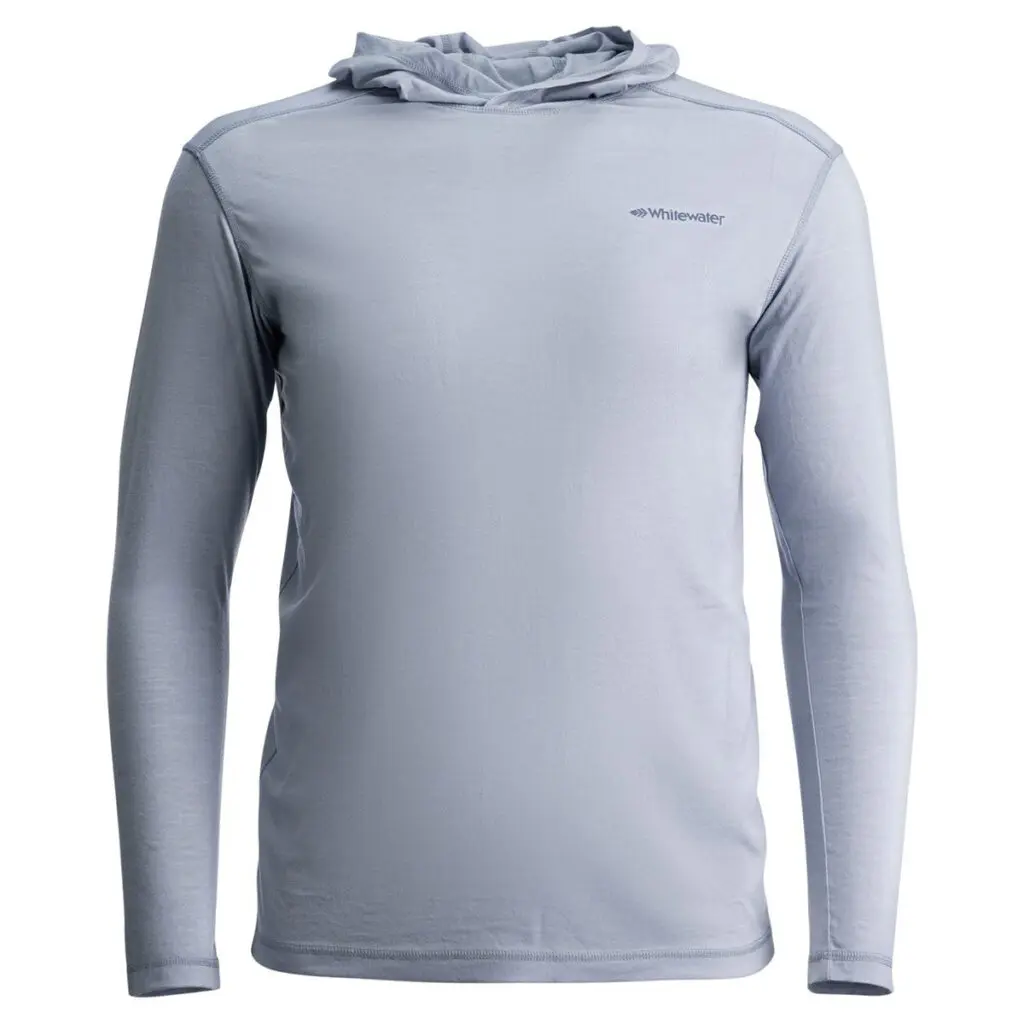
The Merino Advantage
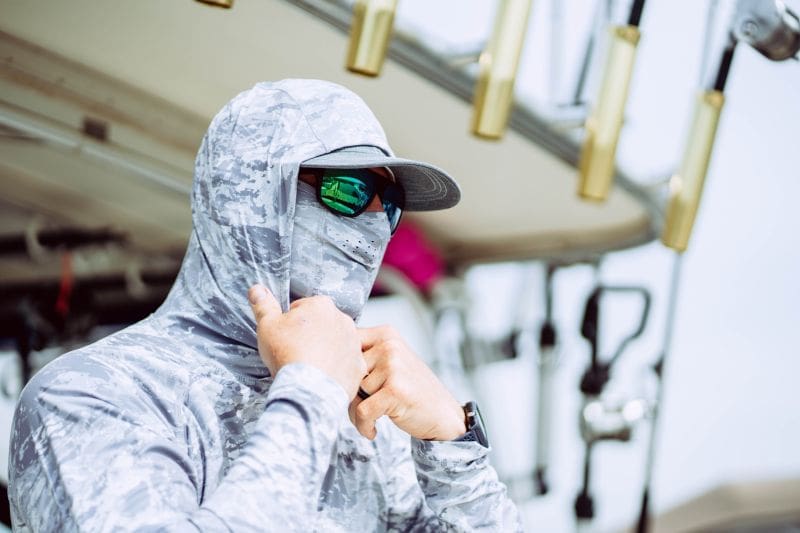
The Whitewater Spindrift Merino Fishing Hoodie shatters the myth that wool belongs strictly in the cold, delivering a high-performance sun protection layer engineered from ultra-fine, 17.5-micron natural merino fibers. Built specifically for the open ocean, this lightweight hoodie provides natural UPF 50+ defense to block out harmful UV rays during long, exposed hours on the water. The magic lies in the inherent structural properties of merino wool, which offers unparalleled breathability and temperature regulation. Instead of trapping body heat, the Spindrift allows air to circulate freely, wicking away moisture instantly to keep you cool and dry in the midday heat while providing a light barrier during chilly morning runs. Naturally antimicrobial, it actively resists odors to keep you feeling fresh on the deck to prove that premium, sustainable fibers are the ultimate shield against the elements.
The Ultimate Warm-Weather Short
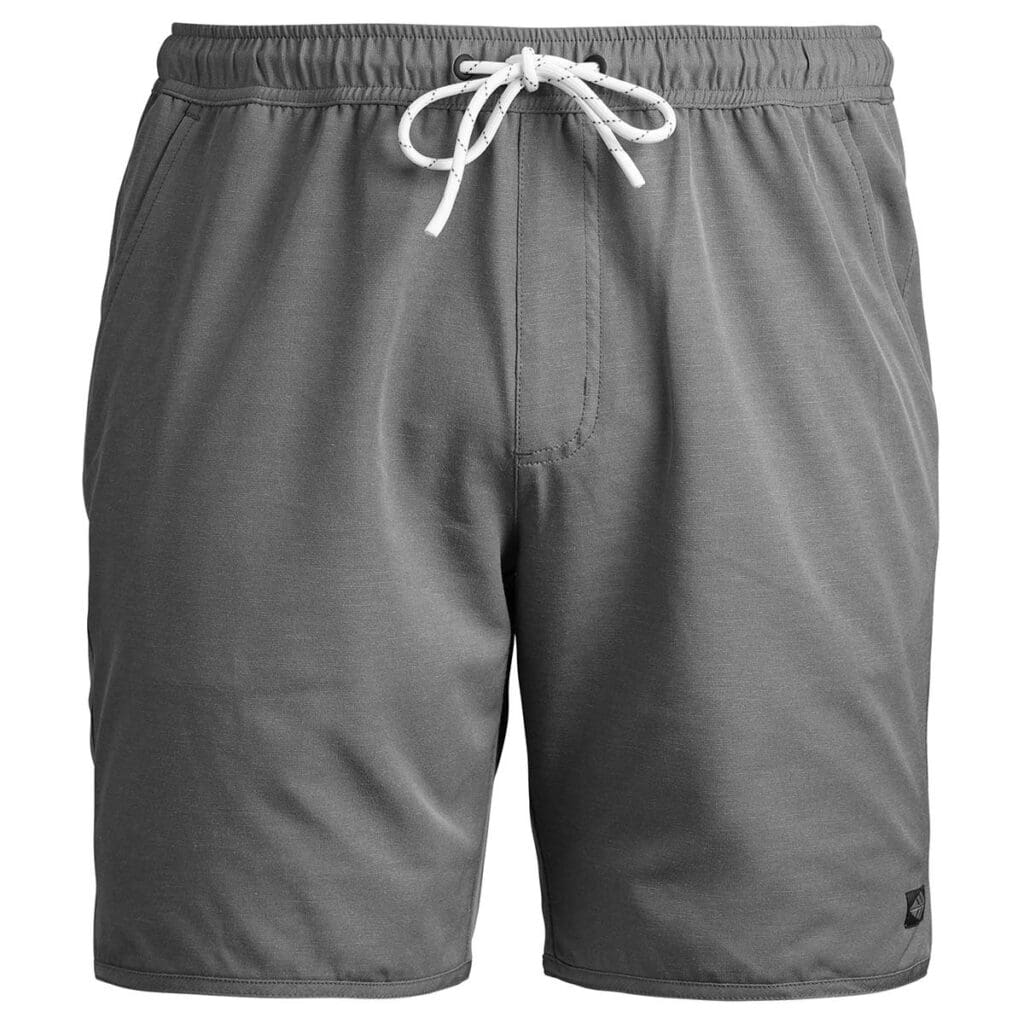
The new Whitewater Flats Short answers the demand for technical performance that mirrors the comfort of an athletic gym short while delivering the rugged utility required for full days on the water. Crafted from a lightweight, 175-g quick-dry fabric blend, it strikes a perfect balance between breathability, built-in stretch, and durability. Mobility is woven directly into the design, utilizing a flexible elastic waistband and an adjustable drawcord to prevent binding or bunching while casting or navigating a rolling deck. A strategic four-pocket configuration keeps essentials perfectly organized—featuring an easy-access front layout, zippered side pocket to lock down keys, and a back pocket complete with a drainage grommet to shed water. Finished with an 8-inch inseam and an advanced stain-release treatment, this versatile short effortlessly repels fish slime and saltwater grime to ensure you move seamlessly from a midday bite to dockside dinner.